
Nauseas face
Nausea and Vomiting in Palliative Care
Nausea and vomiting in palliative care is a common problem and can sometimes be difficult to manage. Nausea = sensation of the desire to vomit Vomiting = action of expelling…

Nausea and vomiting in palliative care is a common problem and can sometimes be difficult to manage. Nausea = sensation of the desire to vomit Vomiting = action of expelling…

Introduction Non-steroidal anti-inflammatory drugs (NSAIDs) are some of the most widely used and prescribed medications. They are commonly used for analgesia, particularly in inflammatory and musculoskeletal conditions (e.g. gout). They…

Osmotic diuretics e.g. mannitol Osmotic diuretics are drugs that are filtered at the glomerulus and then not reabsorbed along the nephron, thus resulting in a greater osmotic pressure within the…

Drug Antidote Amitriptyline Sodium Bicarbonate Beta-blockers Glucagon Benzodiazepines Flumazenil Bupivicaine Intralipid Cyanide Hydroxocobalamin / Nitrites (inhaled) Digoxin Digoxin Antibodies Heparin Protamine Hydrofluoric Acid Calcium Iron Desferrioxamine Methanol Ethanol Methaemoglobin Methyline…

Opiates Naloxone will reverse the effect of opiate overdose, typically in the presence of CNS and respiratory depression. It competitively binds opioid receptors, causing a blockade Usually given IV for…

Diuretics are commonly used medications for a variety of conditions, including hypertension, heart failure, cirrhosis and other conditions. Diuretics can affect electrolyte balance as they interfere with the control of…
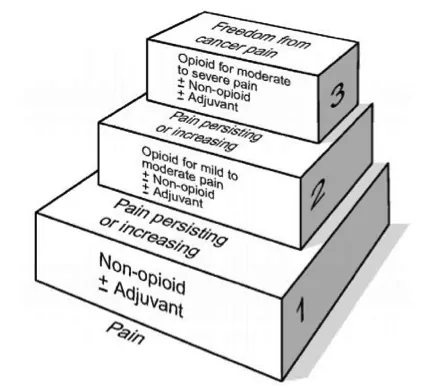
Pain = unpleasant sensory and emotional experience with physical, psychological, spiritual and social aspects. Assessment of pain It is important to remember that pain is a symptom and not a…

Introduction Paracetamol (acetaminophen) is a widely used anti-pyrexic and analgesic, with similar efficacy in these areas to aspirin, however, unlike aspirin and NSAIDs it has virtually no anti-inflammatory properties. It…

Introduction Paracetamol (aka acetaminophen) is a widely used over the counter analgesic medication. In its recommended dose it is safe and effective. However, it also has the potential to cause…
Introduction Potassium sparing diuretics inhibit the reabsorption of sodium (and water) from the distal tubule by antagonising aldosterone. They have only a relatively weak diuretic effect. They reduce potassium excretion…